
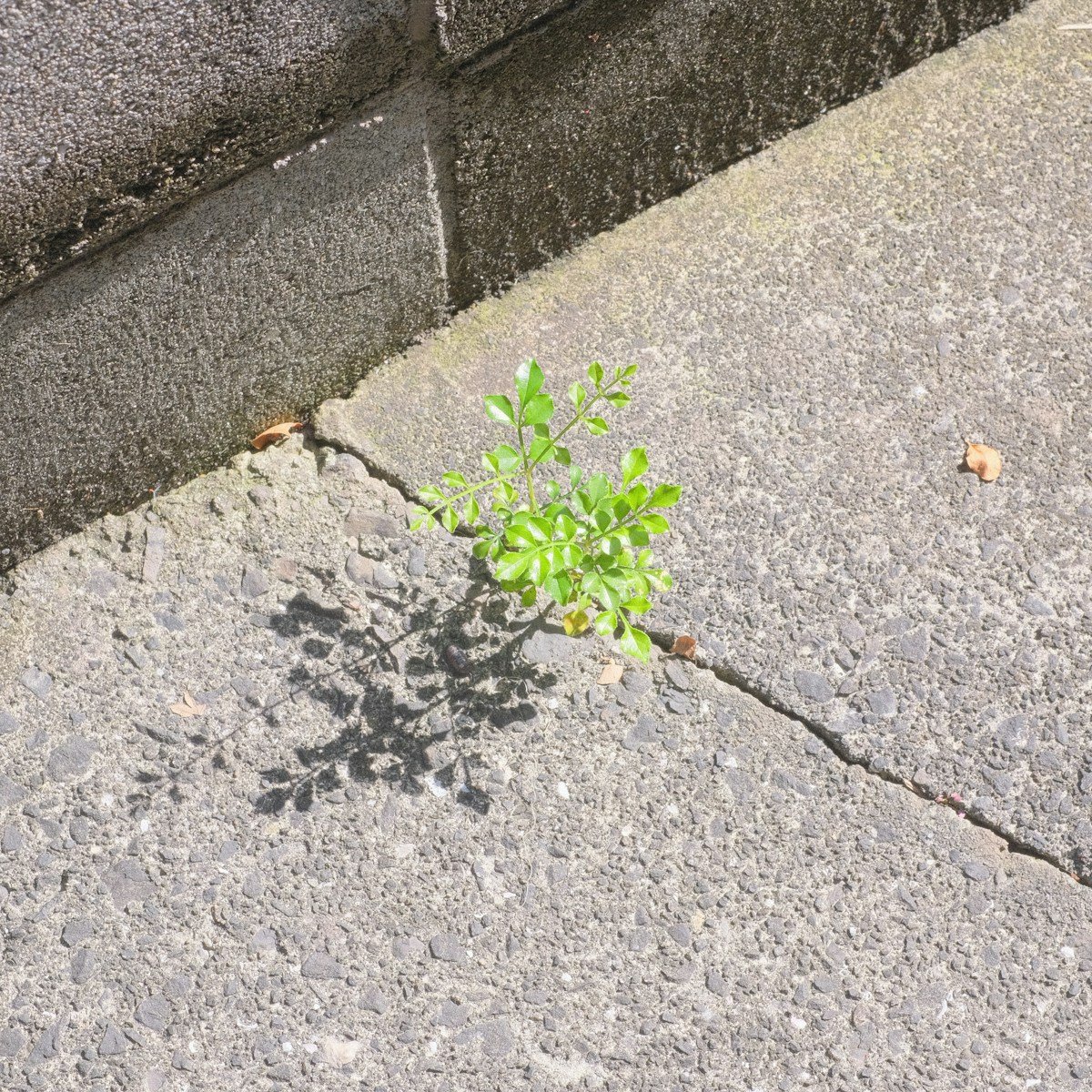

After a hot summer and monsoon season, homeowners often notice new cracks in driveways, patios, walks, slabs, and decorative surfaces. The right repair depends on crack width, movement, elevation change, water exposure, settlement, surface condition, and the purpose of the concrete.
Classify the Problem before Filling It
A stable surface crack may be suitable for a compatible repair material. A moving joint requires a flexible joint sealant. A crack with vertical displacement, recurring water, undermined edges, or extensive branching may indicate a broader issue.
Take photographs with a ruler or familiar object for scale. Note whether the crack is inside the slab, follows a joint, reaches a wall, or appears near a downspout or retaining wall.
Repair is Not Always Replacement
Localized patching may work when the surrounding concrete is sound and the cause is controlled. Resurfacing may improve appearance where the substrate is stable but worn. Replacement may be more practical when the slab is badly settled, extensively broken, unsafe, or repeatedly exposed to drainage damage.
Do not use a coating to hide active movement or a drainage failure. If the cause remains, the new finish may crack again.
Request a repair-versus-replacement assessment for your El Paso driveway, patio, walkway, or slab.