
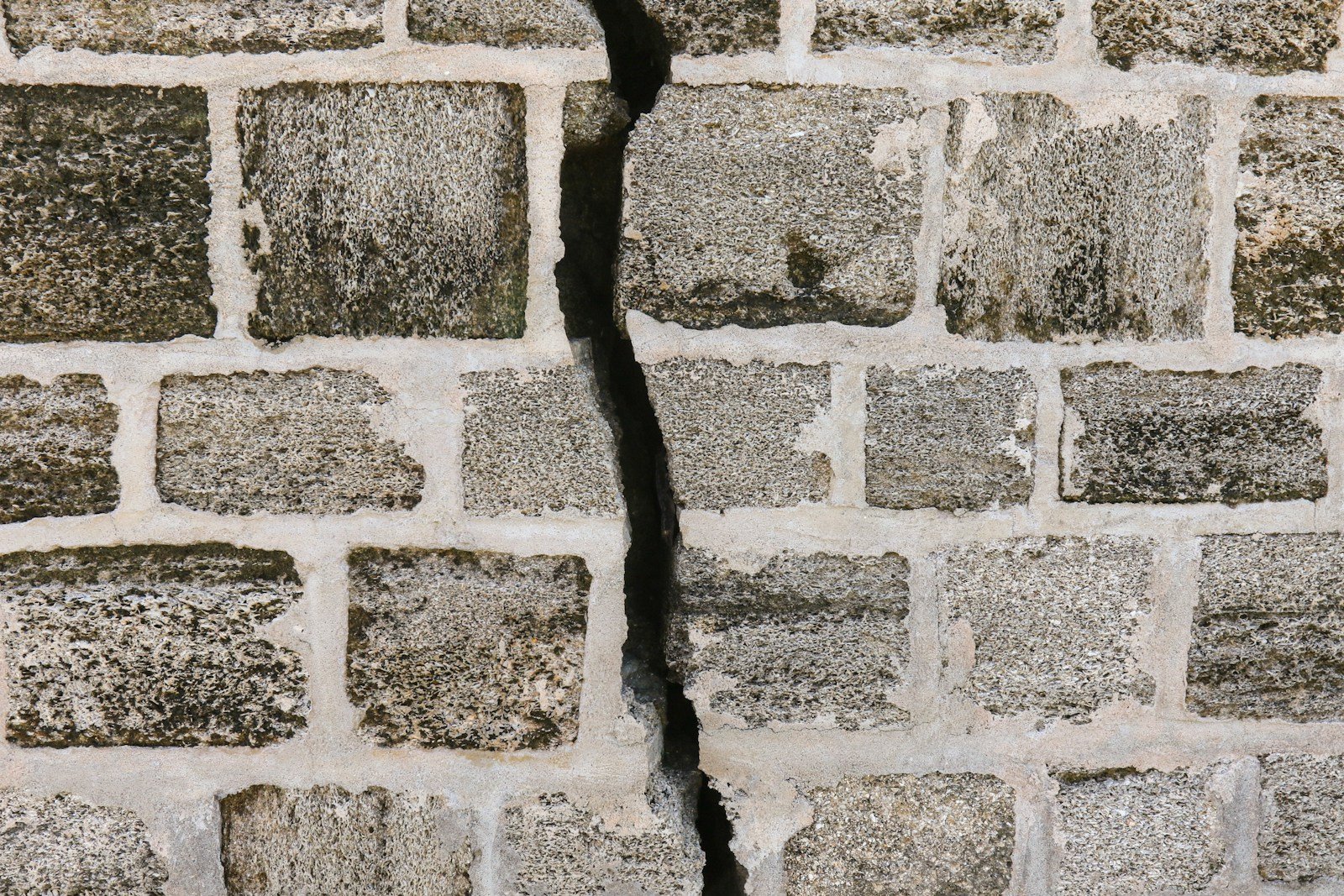

Concrete movement can be influenced by soil, water, drainage, loading, construction history, roots, and changes around the property. A generic label such as “expansive soil” or “caliche” is not enough to diagnose a foundation problem. Conditions can vary from parcel to parcel, and a concrete contractor should not present a visual observation as an engineering conclusion.
Signs worth documenting
Photograph cracks in slabs, foundations, walls, patios, and driveways. Note whether doors stick, floors slope, windows bind, or the same crack continues across multiple materials. Mark the date and observe whether the condition changes after irrigation or heavy rain.
Inspect drainage at the same time. Water directed toward a slab, leaking irrigation, ponding, or erosion can contribute to movement or make an existing condition more noticeable.
Know the professional boundary
A concrete contractor can identify visible surface conditions, discuss repair options, and evaluate concrete work. A structural engineer, geotechnical professional, plumber, or other specialist may be needed to evaluate a broader building or soil issue. Ask who is responsible for each conclusion before signing a repair scope.
Do not use mudjacking, patching, or resurfacing to conceal an active problem without understanding the cause. The correct solution may range from drainage work to localized repair or a separately engineered foundation remedy.
Safety note: This article does not diagnose structural failure and should not replace an appropriate professional evaluation.