
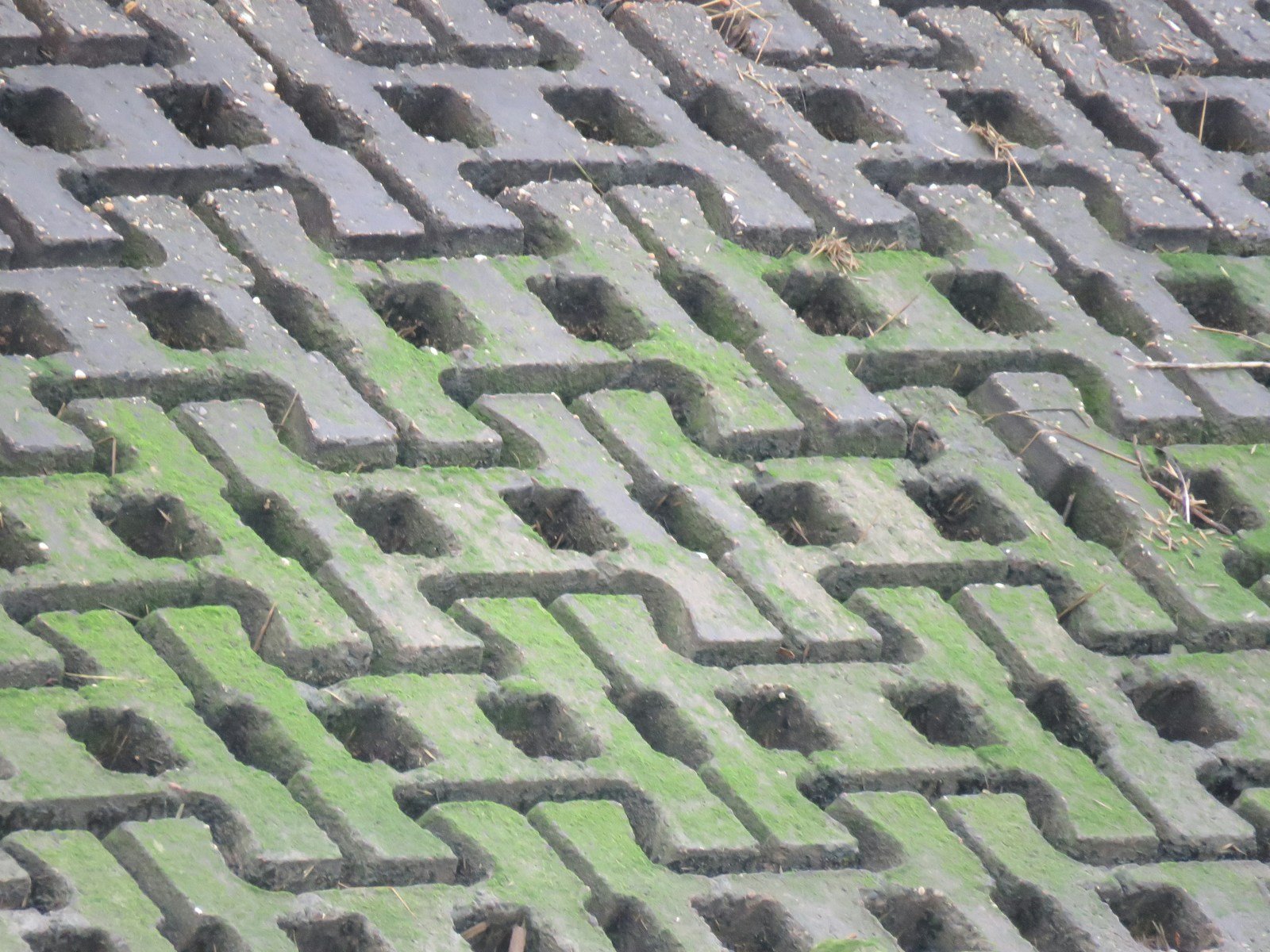

Permeable concrete is designed with interconnected voids that allow water to pass through the surface and into a prepared base. It can be useful in some stormwater-management applications, but it is not a universal solution for every El Paso property. Performance depends on the subgrade, base design, slope, rainfall pattern, clogging risk, traffic, and maintenance plan.
Evaluate the site first
A permeable surface needs a suitable drainage path below it. If the underlying soil drains slowly, if groundwater is near the surface, or if the site receives sediment from an unprotected slope, the system may not perform as intended. The contractor should evaluate the proposed location rather than recommend permeable concrete solely because monsoon runoff is a concern.
Consider where water will go during a major storm. Permeable concrete can reduce surface runoff in an appropriate design, but it does not eliminate the need for grading, overflow planning, edge restraint, or protection of nearby foundations.
Understand maintenance
Dust, soil, leaves, and fines can clog the open structure. Maintenance may include regular vacuuming or other manufacturer-approved cleaning, sediment control, and prompt correction of erosion near the edges. A property beside an unpaved area or active landscaping zone may need more maintenance than a protected courtyard.
Choose the right application
Permeable concrete may be considered for selected walkways, patios, parking areas, or low-speed surfaces. Traffic loading, accessibility, slope, edge conditions, and local requirements must be reviewed. Decorative expectations also differ from conventional concrete, so approve a sample and discuss texture, color, and maintenance before installation.
Schedule a site review to determine whether permeable concrete or conventional drainage improvements better fit your El Paso property.